
Cat Stories

Ceylan Yazar
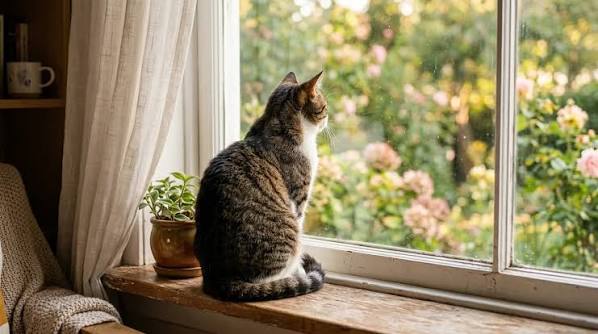
When packing for a trip, it is easy to fall into the trap of thinking cats are entirely self-sufficient. Because they use a litter box indoors and don't require outdoor walk schedules like dogs, many pet parents assume they can fill a few extra bowls, stack up some dry food, and leave their feline friend unattended for a weekend.
When packing for a trip, it is easy to fall into the trap of thinking cats are entirely self-sufficient. Because they use a litter box indoors and don't require outdoor walk schedules like dogs, many pet parents assume they can fill a few extra bowls, stack up some dry food, and leave their feline friend unattended for a weekend.
However, veterinary data and pet industry statistics paint a much more sobering picture of what happens when cats are left isolated for extended stretches.
The Reality of Leaving Cats Alone: Breaking Down the Numbers
National surveys and pet care statistics in the United States highlight a risky gap in pet parenting habits:
The 36-to-48 Hour Danger Threshold: According to US pet safety guidelines and veterinary emergency groups, over 60% of accidental pet injuries or medical crises that occur while owners are traveling happen when pets are left completely unmonitored past the 36-to-48 hour mark.
The Over-Estimation Statistic: Market research on American pet ownership indicates that roughly 30% to 35% of cat owners admit to leaving their cats alone for more than 24 hours without a human check-in at least once a year, heavily underestimating how quickly a minor home issue can turn into a life-threatening emergency.
The Dehydration & Urinary Risk: Felines are notoriously prone to urinary tract issues and kidney stress. Statistics show that roughly 10% of adult cats will experience a sudden refusal to use a soiled litter box or a sudden drop in water intake when stressed by isolation, leading to dangerous blockages within 24 to 48 hours.
When a cat is left alone past 36 hours, "self-sufficiency" quickly morphs into severe vulnerability.

Why Every Cat Needs a Professional Check-In Every 24 Hours
Regardless of whether your cat is a spry young adult or a sleeping senior, having a professional cat sitter check in at least every 24 hours is non-negotiable for several vital reasons.
1. Equipment and Resource Failures Happen
You might leave an automatic feeder or a gravity water bowl, but technology fails. Power outages occur, water fountains burn out or get clogged with fur, and automatic dispensers jam. If a cat runs out of water or food for a day and a half, severe dehydration or hepatic lipidosis (fatty liver disease—a fatal condition in cats) can rapidly set in.
2. Cats Are Masters of Hiding Illness
As masked predators by instinct, cats hide pain and sickness until it is advanced. A cat that stops eating or develops a silent obstruction will show subtle signs—like lingering near the water bowl or sitting hunched—that only a trained cat sitter will notice. Catching a medical shift within 24 hours can mean the difference between a simple vet visit and a critical emergency surgery.
3. Environmental and Behavioral Hazards
A lot can happen in a day. A knocked-over bottle of cleaner, a ingested ribbon, a closed door trapping your cat without a litter box, or a sudden household maintenance leak can turn a home into a hazard zone. A daily professional visit ensures your home is secure and your cat is safe.

Give Your Cat the Care They Deserve
Your cat brings endless comfort, affection, and joy into your life. When you have to step away, ensuring they have a professional cat sitter drop by at least once every 24 hours isn't just about feeding—it's about absolute safety, health monitoring, and peace of mind.
How many days is your next trip, and is your cat's routine fully covered?