
How to Get a Cat to Like You: What Six Years of Cat Sitting Taught Me
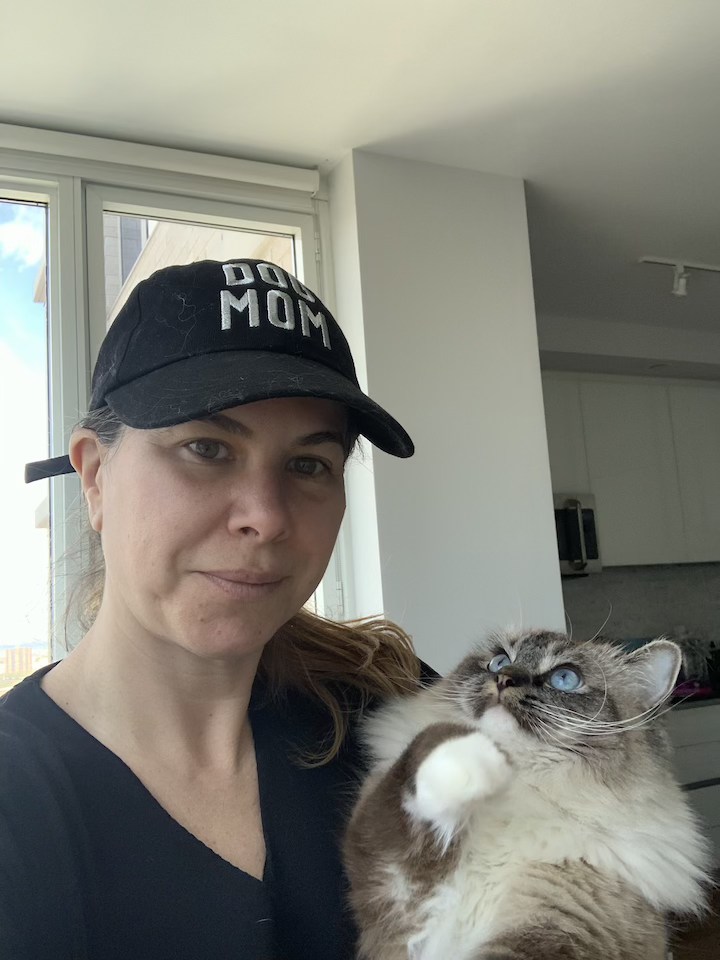
I’ve lost count of how many New York apartments I’ve walked into where the cat had already made up its mind about me before I set my bag down.
The owner is at the airport. The door closes behind me. And somewhere in the apartment — under a bed, behind a radiator, on top of a closet — there is a cat who did not agree to any of this.
After six years of doing this professionally, I’ve learned that getting a cat to like you is almost entirely about what you don’t do.
The mistake nearly everyone makes
People approach. It’s instinct. You see an animal, you crouch down, you put your hand out, you make a soft noise, you move toward it.
Every part of that reads as a threat to a cat who doesn’t know you. You’re large, you’re unfamiliar, you’re moving in their direction, and you’re staring straight at them. In cat terms, a direct stare from a stranger closing distance is not a greeting.
The owners who tell me “my cat hates everyone” almost always have friends who do exactly this.
Rule one: let the cat decide
The first thing I do in a new home is sit down on the floor and ignore the cat completely.
Not performatively — actually ignore them. I’ll do my paperwork, check the litter box, text the owner. I let ten or fifteen minutes go by where I am the least interesting thing in the room.
Nine times out of ten, that’s when I hear it. The soft thump of a cat landing on the floor somewhere behind me. Curiosity beats fear if you give it enough room.
Rule two: don’t stare, and blink slowly
When the cat does appear, don’t lock eyes. Look slightly past them, and if you do meet their gaze, close your eyes slowly and open them again.
It looks silly. It works. A slow blink is one of the few things cats do that reads unambiguously as “I am not a threat,” and cats absolutely notice when you do it back.
Rule three: be boring on purpose
Keep your voice low and level. Don’t do the high-pitched excited thing. Don’t reach.
I want the cat to conclude that I am furniture that occasionally moves. Once they’ve decided I’m boring, they get bold — and bold is where the relationship starts.
When a cat hides under the bed

Some cats don’t come out in fifteen minutes. Some don’t come out on day one at all. I’ve had cats where the first two visits were entirely one-sided — food eaten, litter used, no sighting.
Here’s what I actually do. I sit on the floor near the bed, facing away from it, and I put down a small pile of freeze-dried treats within the cat’s line of sight but out of my reach. Then I go back to ignoring them.
The reason it works is smell. A treat that’s essentially just dried meat carries across a room in a way that kibble doesn’t, and a hiding cat doesn’t have to decide to trust me — it only has to decide to investigate something on the floor. Those are very different decisions for a scared animal.
I keep Chef Kitty freeze-dried treats in my bag for exactly this. They’re single-ingredient — chicken, salmon, duck, that’s the whole ingredient list — and they’re made by a small family business here in New York, which is the kind of thing I care about when I’m putting something in front of someone else’s cat.
One caveat I give every client: never give a cat something new without checking with the owner first. Cats on prescription diets and cats with food sensitivities are more common than people think, and it’s not worth guessing. I ask at the meet-and-greet, every time.
With a genuinely frightened cat, this is a multi-day process. First visit, the treats disappear after I leave. Second visit, they come out while I’m still in the room. By the third or fourth, they’re waiting by the door. I’ve watched that sequence play out dozens of times and it still feels like a small victory every time.
Rule four: consistency does more than affection
Cats are creatures of pattern far more than they are creatures of affection. Same time, same bowl, same spot, same order of operations.
I feed before I do anything else. I clean the litter box at the same point in every visit. I sit in the same place. It sounds rigid, but that predictability is what a cat reads as safety — and it’s the single biggest difference between a cat that hides all week and one that greets you at the door by Wednesday.
Rule five: let them make the first contact
Don’t pet a cat that hasn’t asked. Wait for the head bump, the ankle rub, the deliberate walk across your lap. When it comes, start with the cheeks and the base of the ears, not the back or the belly.
And stop before they want you to. Ending on a good note is how you get invited back.
If you’re about to travel
A few things that make an enormous difference to whoever is caring for your cat:
Book a meet-and-greet before you leave. A cat who has met the sitter once, with you present, starts from a completely different place.
Don’t change anything the week you go. New food, new litter, rearranged furniture — save it for when you’re home.
Leave the treats your cat already knows, and tell your sitter where they are and how many per day. Familiar smells are worth a lot when everything else has changed.
Write it down. Feeding times, quirks, hiding spots, your vet’s number. Nobody has ever regretted leaving too much detail.
Cats don’t dislike strangers. They dislike being surprised by them. Give a cat enough space to make its own decision about you, and most of them will decide in your favour.
Ceylan Yazar is the founder of Manhattan Meow, a 5.0-rated cat care service in New York City offering drop-in visits, boarding, and house sitting.
Disclosure: Chef Kitty is a partner of Manhattan Meow and supplies the treats I use on visits.


